




















How to Use AI for Business Productivity
Artificial intelligence is becoming part of everyday business work, but simply adding an AI tool to a company does not automatically make the business more productive. The real value comes from identifying repetitive or time-consuming tasks where AI can assist people without compromising quality or judgement.
Start With the Work, Not the AI Tool
A common mistake is choosing an AI application first and then trying to find a reason to use it. A better approach is to look at the business workflow and identify where employees spend unnecessary time.
Examples include writing routine emails, summarising meetings, organising information, preparing first drafts, analysing documents and creating recurring reports.
1. Use AI for Writing and Communication
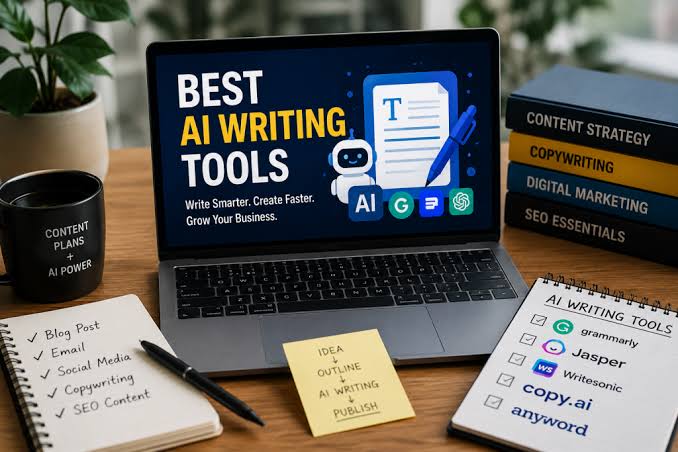
AI assistants can help prepare email drafts, proposals, internal announcements, product descriptions and other business communications.
The employee should still review the final text, especially when the communication contains important commercial, legal or financial information.
2. Summarise Meetings and Documents
Long meetings and documents can consume significant amounts of working time. AI tools can help extract key points, organise information and identify action items.
This can make it easier for teams to move from discussion to execution.
3. Automate Repetitive Tasks
AI becomes particularly useful when combined with automation. A business might create workflows that move information between applications, classify incoming requests or generate routine responses.
Automation should be introduced carefully. A poorly designed automated workflow can multiply mistakes instead of eliminating them.
4. Improve Customer Support
Businesses can use AI to help classify customer questions, suggest responses and organise support information.
For sensitive or complicated cases, however, customers should still have access to human support.
5. Support Research and Analysis
AI can help employees organise information, compare ideas and identify relevant material during research.
Important claims should be checked against reliable sources rather than accepted simply because an AI system presents them confidently.
How to Introduce AI Into a Small Business
- Choose one repetitive workflow.
- Define what improvement you expect.
- Test an appropriate AI tool.
- Keep a human review step where necessary.
- Measure the results.
- Expand only when the workflow works reliably.
Protect Business Information
Before employees upload company documents or customer information to an AI service, the business should understand how the provider handles data and what controls are available.
Internal policies should clearly define what information employees are allowed to submit to external AI services.
Final Thoughts
AI can improve business productivity, but successful adoption is less about using as many AI tools as possible and more about improving specific workflows.
Start small, measure the results and keep human judgement where it matters.