




















Artificial intelligence can help small businesses complete repetitive tasks faster, organize information and improve everyday operations. But adopting AI does not mean replacing every existing process with automation.
The most useful approach is to identify specific problems where AI can save time or improve the quality of work.
Start With Repetitive Tasks
Look for tasks that are performed frequently and follow a predictable process.
Examples include drafting routine emails, summarizing documents, creating first drafts, organizing information, preparing meeting notes and generating ideas for marketing content.
These are often good starting points because AI can assist without requiring the business to completely redesign its operations.
Use AI for Writing and Communication
Small businesses can use AI assistants to create first drafts of emails, product descriptions, proposals, social media ideas and internal documents.
However, the final content should be reviewed by a person who understands the business and its customers.
Improve Customer Support
AI can help businesses organize frequently asked questions and prepare responses to common customer requests.
For more advanced implementations, businesses can use AI-powered customer-service systems to handle routine enquiries while directing complex situations to a human representative.
Use AI for Research
AI can help summarize information, identify topics that require further investigation and organize large amounts of text.
It should not automatically be treated as the final source of truth. Important facts, prices, regulations, statistics and business decisions should be verified using reliable sources.
Automate Simple Workflows
AI becomes more useful when combined with business automation.
For example, a business could create workflows that organize incoming enquiries, classify information, generate draft responses or move data between compatible systems.
Protect Business Information
Before employees enter business information into an AI service, understand how that service handles data and what controls are available.
Sensitive customer information, confidential documents and proprietary business data should be handled according to the company’s security and privacy requirements.
Train Your Team
AI adoption works better when employees understand both its capabilities and limitations.
Create simple guidelines explaining which tools employees can use, what information should not be entered and when human verification is required.
Measure the Results
Do not adopt AI simply because it is popular. Measure whether it actually improves the business.
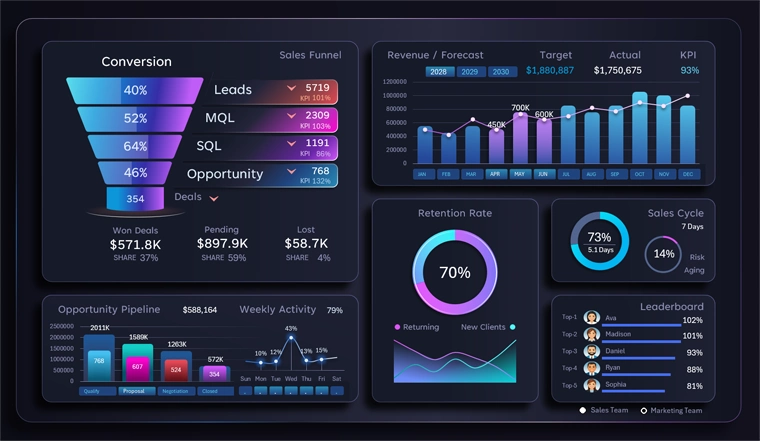
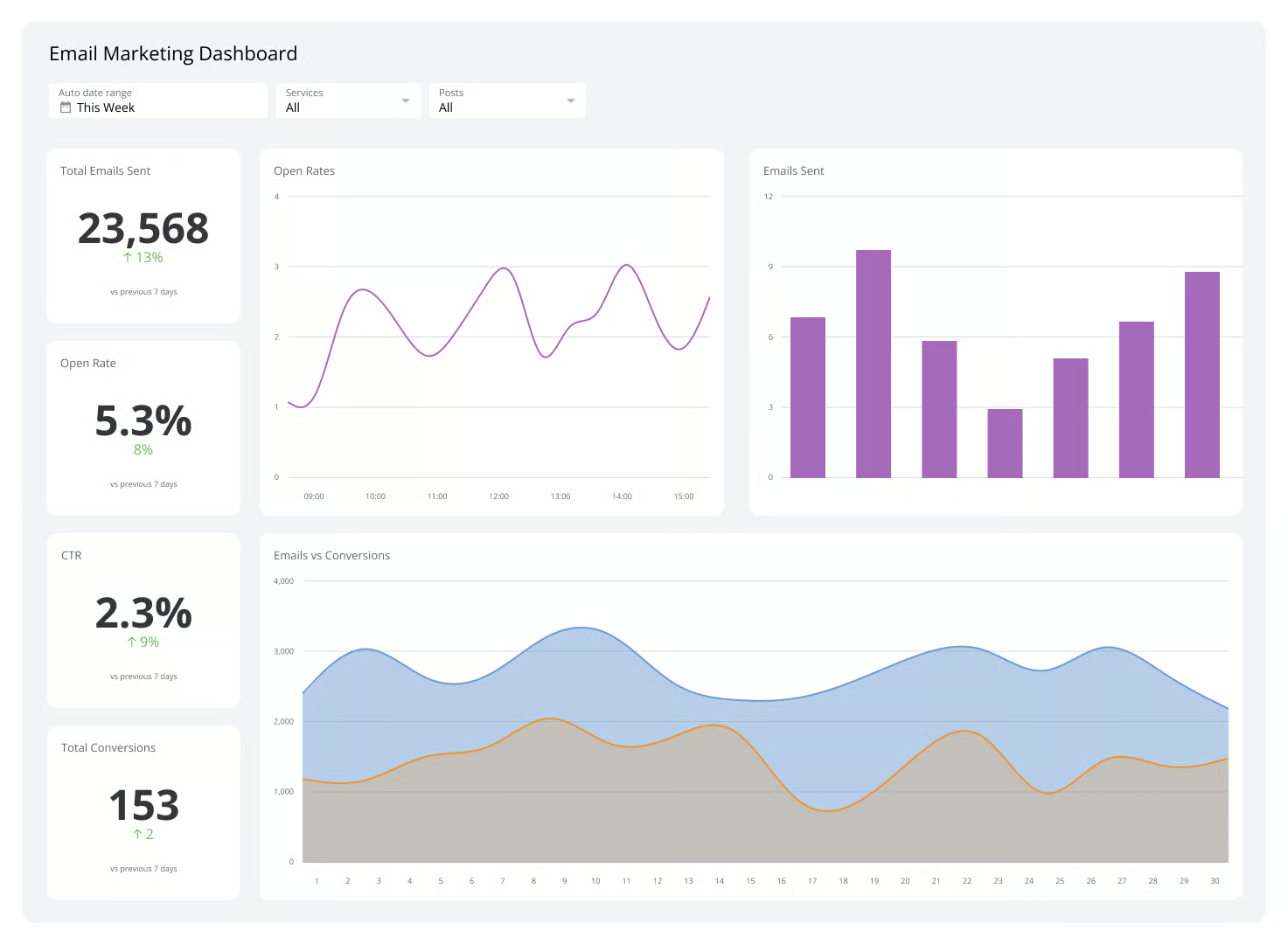
Useful metrics may include time saved, response times, operational costs, customer satisfaction and the quality of completed work.
Final Takeaway
Small businesses do not need to automate everything to benefit from AI. Start with specific tasks where the technology can provide a measurable improvement.
The strongest approach combines AI assistance with human judgment, verification and clear business processes.